Food & Beverage
Cold-chain integrity, fermentation control, cleaning-in-place verification, allergen-line traceability. Compliance reports generated from raw telemetry, not spreadsheets.
Cloud, security and AI engineering from the team that builds and runs an industrial telemetry platform, in production at customer plants. Take us on for a project, a retainer, or a second opinion.
Zoniax takes on direct engineering work: keeping cloud systems healthy, finding where systems are exposed, building models that hold up in production, and getting monitoring into a plant. The same engineers who build the product.
Changes and migrations on Google Cloud, Azure and custom infrastructure, architecture and cost reviews, and ongoing technical support for the systems you depend on.
More on cloudCloud security posture audits, a review of the boundary where plant networks meet corporate IT, and the hands to carry remediation through.
More on securityCustom models, training data and ML pipelines, and the MLOps that keeps a model right once it's in production.
More on AIPilot scoping and rollout, edge instrumentation, and integration with the ERP, MES and CMMS a plant already runs.
More on industrialHow a project starts
Use the form on this page.
We tell you plainly whether and how we can help.
A project, a retainer, or advisory.
Three ways to engage
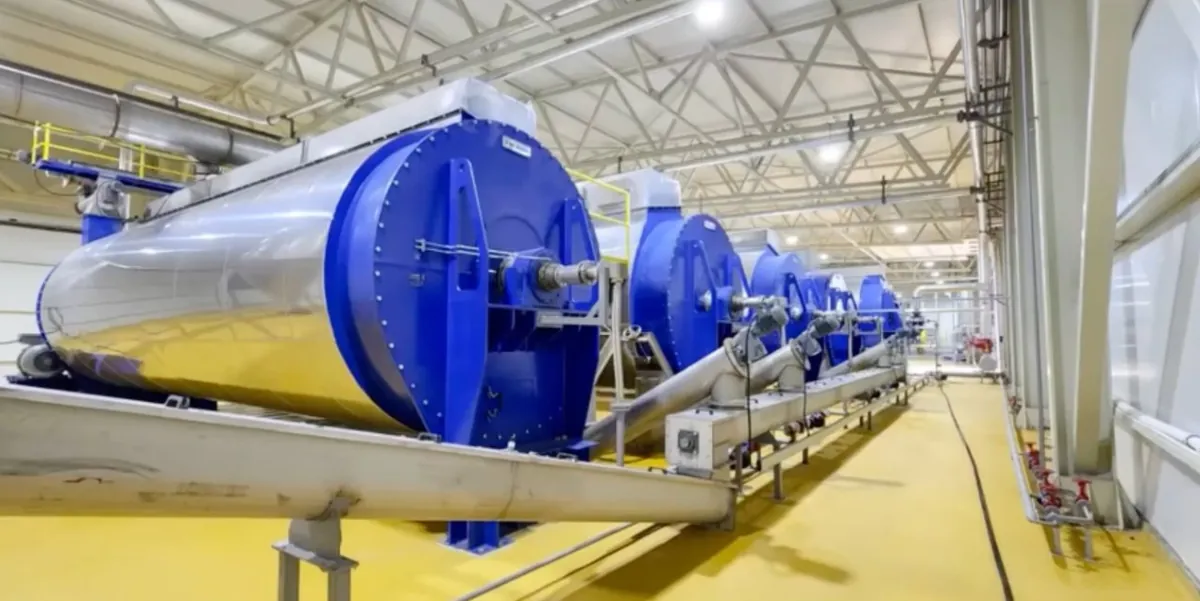
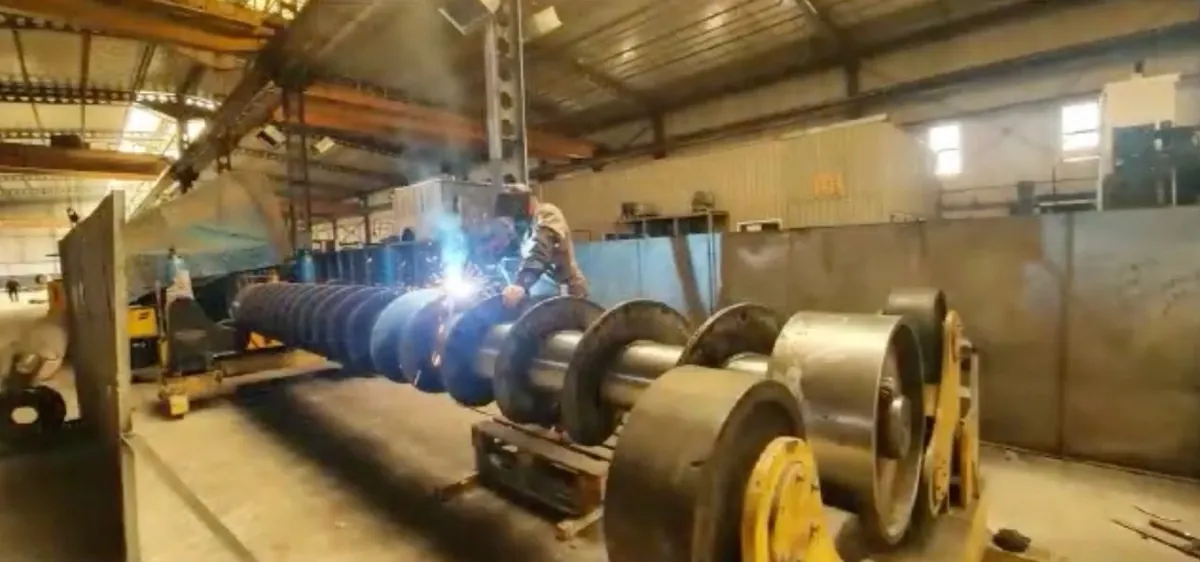
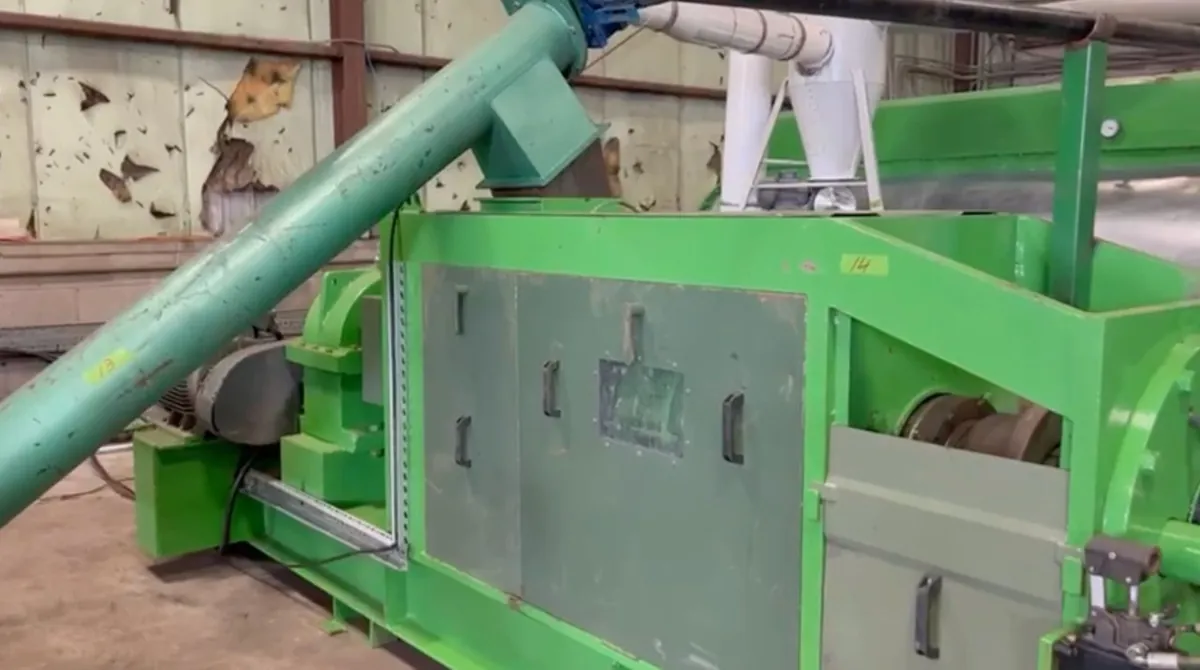
Zoniax provides the software, sensors and AI behind waste-processing and waste-to-energy operations: sorting, plant monitoring, predictive maintenance and reporting. Client names are withheld under NDA.
Sectors we work in
We deploy in operations where downtime is measured in product, not minutes. The three below are simply where we work most today. The stack is industry-agnostic: ruggedized sensors, edge telemetry, and learning models apply wherever a process produces data.
Cold-chain integrity, fermentation control, cleaning-in-place verification, allergen-line traceability. Compliance reports generated from raw telemetry, not spreadsheets.
Continuous emissions reporting, combustion optimization, fuel-feed characterization, turbine vibration trending. Optimize output without crossing regulatory limits.
Spindle wear forecasting, surface-quality scoring, cutting-fluid characterization. Closed-loop signals from the cell to the production planner.
Don't see your sector? These three are examples, not limits. If a process has pumps, ovens, mixers, motors, or meters, it produces signals we can capture, model, and act on: the same stack, pointed at your operation.
We publish our working notes on industrial and software AI: the techniques we trust, the trade-offs we weigh, and the approaches that didn't pan out. See how we reason before you ask us to reason about your operation.
An IEC 62443 primer for processing plants: zones and conduits, security levels, the IT/OT boundary, and where most OT security rollouts fail.
ReadIndustrial ML models decay after deployment as the plant shifts. How to monitor drift, retrain without contaminating the model, and keep it owned.
ReadHow plant data moves from a process historian into an open lakehouse: a layer-by-layer path over OPC UA, Parquet, Iceberg or Delta, and ISA-95.
ReadA project has a fixed scope and a fixed price, defined up front and delivered to a plan, with a defined exit. A retainer is ongoing engineering capacity, agreed monthly. Advisory is review and guidance without taking the keys.
The same engineers who build the Zoniax platform. One team, one engineering standard.
No. Cloud, security and AI work is available in its own right, whether or not a Zoniax deployment is involved.
Yes, under a support retainer: a direct line to a senior engineer for outages, unsafe drift, failed changes and security events. Response windows and coverage hours are agreed per retainer.
Google Cloud and Microsoft Azure, and custom cloud setups and infrastructure that we prepare and support ourselves. Most of our projects so far have been on custom infrastructure.
Questions about sensors, data or models? See the platform questions.
Whether it's a cloud environment that needs attention, a system you want audited, a model to build, or a plant to instrument: describe it, and we'll tell you plainly whether and how we can help.
If it's urgent, say so in your message.